
Jibhi – A Hidden Himalayan Gem
Discover Jibhi: A Scenic Himalayan Escape
If you love peaceful places, green forests, and the sound of flowing rivers, Jibhi should be on your travel list.
Located in the Banjar Valley of Himachal Pradesh, Jibhi is a quiet and beautiful village that feels far away from the chaos of cities and crowded tourist spots. It’s one of those places where time slows down, and nature surrounds you at every step.
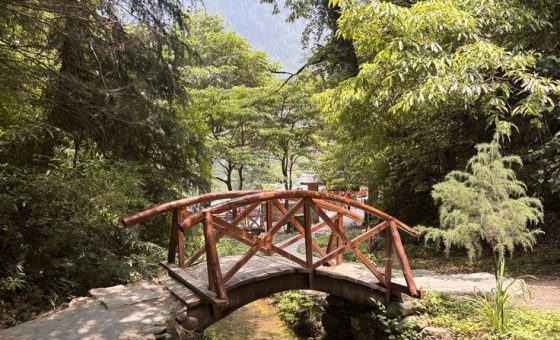
Unlike popular hill stations like Manali or Shimla, Jibhi offers a calm atmosphere, traditional Himachali houses, and untouched landscapes. You’ll find tall pine and cedar trees, wooden bridges over streams, cozy cafés, and smiling locals who greet every traveler with warmth.
And the best way to explore this charming place? — By Bike.
Riding a bike through Jibhi gives you complete freedom to stop wherever you want — be it a hidden waterfall, a mountain café, or a small village temple. You can take your time, breathe in the fresh air, and truly connect with the Himalayas.
Visitors can enjoy long walks along scenic trails, relax by rivers, and explore the local culture. In addition, hidden waterfalls, glacial lakes, and ancient sites provide unique experiences. Renting a bike is highly recommended to explore these spots freely, allowing stops at viewpoints and the flexibility to travel at your own pace.
History & Background
Jibhi began centuries ago as a small settlement in the Banjar Valley. Initially, just a few Himachali families lived here, surviving through agriculture and animal husbandry. The village’s name “Jibhi” is believed to come from local dialect, though its exact meaning has been lost over time. However, what hasn’t been lost is the traditional way of life that continues to this day.
Over the generations, families in Jibhi preserved their traditional architecture and lifestyle despite changes happening in the world around them. Unlike many other villages that modernized rapidly, Jibhi maintained its authentic character. Moreover, the village’s relative isolation – tucked away in the mountains without major roads connecting it to cities – helped protect it from rapid commercialization.
Traditional Architecture and Lifestyle
The wooden houses you see in Jibhi today represent centuries-old architectural wisdom. These structures are built using traditional techniques passed down through generations. Firstly, the houses use locally sourced wood, primarily deodar cedar and pine. Additionally, the construction method involves interlocking wooden beams without using nails or cement – a technique that makes buildings earthquake-resistant.
Moreover, these houses feature intricate wood carvings on doors, windows, and balconies. Each carving tells a story or represents local deities and natural elements. Furthermore, the slate roofs are designed to handle heavy snowfall in winter while keeping the interiors cool in summer. Therefore, these traditional houses are not just beautiful but also highly functional for mountain climate.
The lifestyle in Jibhi has remained largely traditional. Families still practice subsistence farming, growing vegetables, apples, and other crops. Additionally, many families keep cattle, goats, and chickens. Moreover, women still weave traditional woolen shawls and caps during winter months. Furthermore, the community maintains strong bonds with regular gatherings for festivals, celebrations, and mutual help.
Spiritual and Cultural Significance
Small temples dedicated to local deities dot the Jibhi landscape. These aren’t grand structures but simple wooden temples that serve as focal points for community worship. Additionally, locals follow a unique blend of Hinduism mixed with ancient nature worship. Moreover, every natural element – rivers, trees, mountains – is considered sacred and treated with respect.
Furthermore, the village celebrates traditional Himachali festivals throughout the year. During these festivals, you can witness traditional music played on instruments like dhol and shehnai, traditional dances, and elaborate feasts. However, unlike tourist-oriented cultural shows, these are authentic celebrations where locals gather to honor their traditions.
Jibhi’s Natural Heritage
In addition to its cultural heritage, Jibhi’s location amidst the Himalayas provides breathtaking natural beauty. The village sits at an altitude of approximately 5,000 feet, surrounded by mountains that rise to over 10,000 feet. Moreover, the region’s rivers and streams originate from glaciers and snow-melt, making the water crystal-clear and pristine.
These rivers and streams support local agriculture, providing irrigation for terraced fields that cascade down hillsides. Additionally, the surrounding forests are home to diverse wildlife. You might see Himalayan birds like monals, thrushes, and eagles. Moreover, the forests shelter animals like barking deer, leopards (rarely seen), and various smaller mammals. Furthermore, the area is rich in medicinal plants that locals have used for centuries in traditional healing.
Evolution into a Tourist Destination
Until about 15 years ago, Jibhi was virtually unknown to tourists. Only a few trekkers and adventure seekers occasionally passed through. However, as travelers began seeking alternatives to crowded hill stations, word about Jibhi slowly spread. Moreover, the rise of social media helped showcase Jibhi’s beauty to a wider audience.
Nevertheless, the village has managed tourism growth relatively well. Instead of allowing large hotels and commercial development, locals chose to open small homestays. Additionally, the community decided to keep development minimal to preserve what makes Jibhi special. Therefore, even today, Jibhi maintains its peaceful, authentic character while welcoming travelers who respect and appreciate its traditions.
Top Tourist Attractions in Jibhi and Surroundings
1. Jibhi Waterfall: Nature’s Perfect Retreat
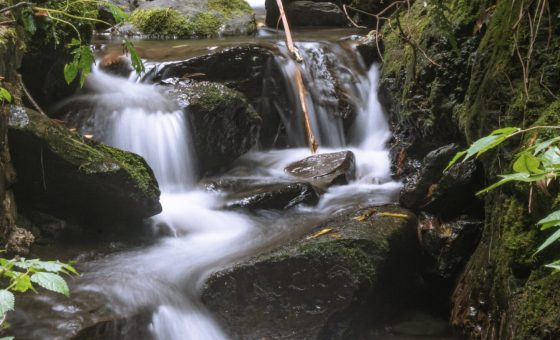
First and foremost, the Jibhi Waterfall is the village’s most famous attraction. Located just a short walk from the main village area, this picturesque waterfall is surrounded by thick pine forests that create a naturally serene atmosphere. Moreover, unlike many tourist waterfalls that are over-developed with concrete structures, Jibhi Waterfall retains its natural beauty.
The waterfall isn’t a massive, thundering cascade but rather a gentle, multi-tiered fall that creates a soothing, rhythmic sound. Additionally, the water is incredibly clear and cold, coming straight from mountain streams. Furthermore, the area around the waterfall has several flat rocks where you can sit comfortably and enjoy the view. Therefore, it’s an ideal spot for peaceful contemplation, reading, or simply unwinding.
Moreover, the waterfall is perfect for photography. The way sunlight filters through the trees and creates rainbows in the water spray provides countless photo opportunities. Additionally, during monsoon, the waterfall is at its fullest and most spectacular. However, even during drier months, it maintains a steady flow that’s beautiful and calming.
The short trek to reach the waterfall is itself enjoyable. The trail takes you through the village where you see traditional houses and local life. Additionally, you walk through forest sections with tall pine trees. Moreover, the entire walk takes only about 10-15 minutes from the village center, making it accessible for all age groups including children and elderly people.
Furthermore, the waterfall area is ideal for picnics. Many visitors carry snacks and spend hours here, enjoying the natural surroundings. However, it’s important to maintain cleanliness and carry back all trash. Additionally, local families often visit the waterfall during weekends, which adds a nice authentic touch to the experience.
Best Time to Visit: April to November (avoid heavy monsoon days when trails become slippery) Entry Fee: Free Time Needed: 1-2 hours including the walk
2. Serolsar Lake: A Sacred Glacial Paradise
Just 5 km from Jalori Pass (which is about 12 km from Jibhi) lies Serolsar Lake, one of the region’s most beautiful and sacred destinations. This pristine glacial lake sits at a high altitude, surrounded by thick forests of pine and oak trees. Moreover, the lake is considered holy by locals, adding spiritual significance to its natural beauty.
To reach Serolsar Lake, you first need to go to Jalori Pass. From there, a moderate trek of about 5 km (taking 2-3 hours) through dense forests leads you to the lake. The trek itself is an experience worth having. Initially, the trail goes slightly downhill, then becomes mostly flat with some gentle ups and downs. Additionally, the forest trail is beautiful with sunlight filtering through leaves, birds singing, and occasional clearings offering mountain views.
When you finally reach the lake, the sight is breathtaking. The water is so calm and clear that it perfectly reflects surrounding trees and sky like a mirror. Moreover, there’s a profound silence at the lake, broken only by gentle wind in trees and occasional bird calls. Furthermore, beside the lake stands the Budhi Nagin Temple, dedicated to the serpent goddess. According to local belief, no leaves ever fall into this lake, which is considered miraculous.
Many visitors sit by the lake for hours, meditating or simply absorbing the peaceful atmosphere. Additionally, some people walk around the lake’s perimeter, which takes about 20-30 minutes. Moreover, the area around the lake is perfect for photography, especially during early morning or late afternoon when lighting is most dramatic.
The trek back to Jalori Pass offers different perspectives of the same beautiful forest. Furthermore, by this time, you’ve acclimatized to the altitude, making the return journey feel easier. However, make sure to start your trek early enough to return before dark as the forest trail can be confusing in darkness.
Trek Details:
- Starting Point: Jalori Pass
- Distance: 5 km one way from Jalori Pass
- Duration: 2-3 hours one way
- Difficulty: Moderate
- Best Time: April to November
- What to Carry: Water, snacks, camera, light jacket
3. Old Himachali Villages: Step Back in Time
One of the most enriching experiences in Jibhi is exploring old Himachali villages scattered around the region. These villages remain largely untouched by modernization and offer authentic glimpses into traditional mountain life. Moreover, walking through these villages feels like stepping back in time.
Traditional Houses: The wooden houses in these villages showcase incredible craftsmanship. Every house features intricate wood carvings on doors, windows, and balconies. Additionally, the slate roofs and wooden structures have survived for generations, proving the effectiveness of traditional building techniques. Moreover, some houses are over 200 years old yet still standing strong and inhabited by families.
Community Temples: Small temples dedicated to local deities serve as social and spiritual centers for villages. These aren’t touristy temples but active places of worship. Additionally, during festivals, entire communities gather at these temples for celebrations. Moreover, the temple architecture reflects local style with wooden structures and beautiful carvings.
Village Life: Walking through these villages, you observe daily mountain life. You might see women working in vegetable gardens, men tending to cattle, or children playing traditional games. Additionally, during harvest season, you can witness families working together to gather crops. Moreover, locals are generally friendly and often invite travelers to share tea or local snacks.
Cultural Immersion: Spending time in these villages offers cultural insights you can’t get from books or tours. You learn how people survive in mountains without urban conveniences yet remain content. Additionally, you understand the strong community bonds that hold mountain societies together. Moreover, you appreciate the deep connection locals have with nature and their environment.
Some notable villages near Jibhi include:
- Ghiyagi: Known for Chehni Kothi, an ancient tower temple
- Shoja: Peaceful hamlet closer to Jalori Pass
- Sharchi: Traditional village with beautiful mountain views
- Chaini: Famous for its ancient Chaini Kothi tower
How to Explore: Walking is the best way to explore these villages. However, renting a bike allows you to visit multiple villages in a day. Moreover, hiring a local guide helps you understand the culture and history better.
4. Adventure Trails and Forest Walks
Jibhi and surrounding areas are paradise for trekking and nature walking enthusiasts. Numerous trails of varying difficulty levels offer opportunities for everyone from beginners to experienced trekkers.
Easy Village Walks (1-2 hours): These are gentle walks around Jibhi village and nearby hamlets. The trails are mostly flat or slightly uphill, perfect for families and those not used to trekking. Additionally, these walks offer beautiful views of valleys, traditional houses, and terraced fields. Moreover, you can do these walks independently without guides.
Moderate Forest Treks (2-4 hours): Several trails take you deeper into forests surrounding Jibhi. These are moderately challenging with some steep sections. However, the effort is rewarded with beautiful forest scenery, bird watching opportunities, and peaceful atmospheres. Additionally, some trails lead to viewpoints offering panoramic valley views.
Challenging Mountain Treks (4-8 hours): For experienced trekkers, routes to Jalori Pass, Raghupur Fort, and other high-altitude destinations provide challenging adventures. These treks involve significant elevation gain and require good fitness levels. Moreover, weather conditions at higher altitudes can change quickly, so proper preparation is essential.
Birdwatching Trails: The forests around Jibhi are excellent for birdwatching. Early morning walks often reward you with sightings of various Himalayan birds. Additionally, different trails pass through different habitats, each attracting different bird species. Moreover, bringing binoculars and a bird identification guide enhances the experience.
Photography Trails: Several trails are particularly good for photography. Forest trails with beautiful light filtering through trees, viewpoints with valley panoramas, and riverside paths with flowing water all offer excellent photo opportunities. Additionally, sunrise and sunset hikes to viewpoints provide dramatic lighting for landscape photography.
Important Trail Tips:
- Always inform your homestay about your trekking plans
- Start early to return before dark
- Carry sufficient water and light snacks
- Wear proper trekking shoes with good grip
- Check weather before starting
- Consider hiring local guides for unfamiliar trails
- Respect nature and don’t litter
5. Jalori Pass: Gateway to High Altitude Adventures
Located about 12 km from Jibhi, Jalori Pass stands at 10,800 feet and serves as a gateway to numerous high-altitude adventures. Moreover, the pass itself offers spectacular panoramic views of Himalayan peaks, valleys, and forests.
You can reach Jalori Pass by vehicle in about 30-40 minutes from Jibhi. However, many adventurous travelers choose to trek up, which takes about 3-4 hours. The trek is challenging but incredibly rewarding with changing landscapes and increasing altitude providing varied experiences.
At the pass, there’s a small temple where locals worship. Additionally, there are basic food stalls selling tea, maggi, and snacks. Moreover, during peak season (April-June and September-November), the area can get crowded on weekends. Nevertheless, the stunning views make it worth visiting.
Furthermore, Jalori Pass serves as the starting point for treks to Serolsar Lake, Raghupur Fort, and other destinations. Therefore, spending a full day at Jalori Pass exploring different trails is highly recommended.
Distance from Jibhi: 12 km Driving Time: 30-40 minutes Trekking Time: 3-4 hours uphill Altitude: 10,800 feet Best Time: April to November
6. Raghupur Fort: Ancient Ruins with Spectacular Views
Raghupur Fort, located at an altitude higher than Jalori Pass, offers one of the region’s most spectacular viewpoints. Although the fort itself is now in ruins, the location and views are absolutely magnificent. Moreover, the trek to reach the fort is challenging but incredibly rewarding.
The trek to Raghupur Fort starts from Jalori Pass and takes about 3-4 hours one way. The trail is steep in sections and requires good fitness levels. However, along the way, you pass through alpine meadows where shepherds graze their flocks during summer. Additionally, the meadows are filled with wildflowers during spring and summer.
At the fort, you can see remnants of old stone structures that once served as military outposts. Moreover, according to local stories, the fort was built centuries ago to guard the mountain passes. Furthermore, from this elevation, on clear days, you can see Himalayan peaks stretching across the horizon for over 100 kilometers.
The sense of accomplishment after completing this challenging trek is immense. Additionally, having lunch at this altitude while surrounded by 360-degree mountain views is an unforgettable experience. However, start early as the trek takes most of a day including return journey.
Trek Details:
- Starting Point: Jalori Pass
- Distance: Approximately 6-7 km one way
- Duration: 3-4 hours one way
- Difficulty: Challenging
- Best Time: May to October
- Guide: Recommended for first-timers
7. Chehni Kothi: Ancient Tower Temple
Located in Ghiyagi village near Jibhi, Chehni Kothi is an ancient tower temple that’s over 1,500 years old. This architectural marvel stands about 40 meters tall and was built entirely using wood and stone without any cement or mortar. Moreover, the engineering skills demonstrated in this structure are truly impressive.
To reach Chehni Kothi, you need to trek for about 30-40 minutes from the nearest road point. The trail goes through terraced fields and small hamlets. Additionally, from the tower area, you get beautiful views of surrounding mountains and valleys.
The tower has multiple floors connected by internal wooden stairs. However, climbing inside requires permission and caution as the stairs are steep and old. Moreover, the tower also has a temple where locals still worship. Furthermore, according to local legends, fairies built this tower in a single night, though the reality is it represents incredible ancient engineering knowledge.
Location: Ghiyagi village Distance from Jibhi: About 8 km Trek Duration: 30-40 minutes from road Entry: Free (but remove shoes before entering temple area)
Road Conditions & Accessibility: What to Expect
Understanding road conditions helps you plan better and avoid surprises during your Jibhi trip. Moreover, knowing what to expect makes your journey safer and more enjoyable.
Main Road to Jibhi
The main road connecting Jibhi to Aut (on the Mandi-Kullu highway) is generally well-maintained and paved. However, it’s important to understand that “well-maintained” in mountain context means something different from plains highways. The road is narrow, winding, and has numerous sharp turns. Additionally, some sections might have rough patches, especially after monsoon rains or winter snow.
From Aut to Jibhi, the distance is approximately 30 km, which takes about 1.5 to 2 hours to drive. The road follows the river valley for some distance before climbing into the mountains. Moreover, the scenery along this route is beautiful with river views, forests, and traditional villages.
Furthermore, the road passes through Banjar town, which is the main commercial center for the region. You can stop here for supplies, fuel, or meals. Additionally, Banjar has ATMs, pharmacies, and shops – the last such facilities before Jibhi.
Roads Within Jibhi and to Nearby Attractions
While the main road to Jibhi is accessible by regular vehicles, roads leading to various attractions require more careful navigation. Firstly, the road to Jibhi Waterfall involves some narrow village roads. However, these are manageable by cars and bikes. Moreover, you can also walk to the waterfall in 10-15 minutes from the village center.
The road to Jalori Pass from Jibhi is paved but narrow with many sharp hairpin bends. Additionally, the road gains significant altitude in just 12 km. Therefore, driving requires attention and caution. Moreover, during monsoon, landslides can temporarily block this road. Furthermore, in winter, snow can make the road slippery or closed.
Roads to some old villages and remote attractions are even narrower and rougher. In some cases, these are more like wide paths suitable only for small vehicles or bikes. Additionally, public buses don’t reach many of these remote spots. Therefore, having your own transport, especially a bike, provides significant advant
Why Bikes Are Ideal for Jibhi Exploration
Public buses can take you up to the main part of Jibhi village, but reaching the real hidden places—like waterfalls, remote villages, lakes, and trekking trails—is not possible by larger vehicles. Buses also have fixed schedules and limited routes, which means you can’t explore freely or stop whenever you want.
Renting a bike is the best solution to explore Jibhi and its surroundings comfortably. Bikes can easily move through narrow and winding roads where cars or buses cannot go. You can stop anywhere you like—whether it’s to take pictures, enjoy the view, have a snack, or explore a beautiful spot that catches your eye. If a road looks interesting, you can take a quick detour and discover new places that most tourists never see.
Moreover, renting a bike is budget-friendly. Bikes use less fuel and cost much less than hiring taxis for multiple days. You get full freedom without worrying about drivers, schedules, or extra charges.
Apart from convenience, the experience of riding through the mountains itself is unforgettable. The cool Himalayan breeze, the sound of rivers, and the sight of tall deodar trees make every ride memorable. Riding at your own pace gives you time to enjoy every moment—whether it’s watching the sunrise over the valley or stopping at a quiet riverside café.
At BRB Expeditions Bhuntar and our Aut branch, we make bike renting easy and safe for everyone. All our bikes—like the Royal Enfield Himalayan, Scram, Xpulse, and Hunter—are well-maintained and regularly checked for performance. We also provide helmets, maps, and local riding tips to help you explore confidently.
Our team ensures a smooth rental process from start to finish. Whether you’re starting your ride from Bhuntar or Aut, our staff will guide you with routes, must-visit places, and safe riding advice. We’re always available to assist if you need help during your trip.
Activities & Experiences
1. Trekking & Hiking
Jibhi is a paradise for trekkers. From short village walks to long hikes, every trail offers scenic beauty and a glimpse into local life. Beginners can enjoy easy walks through forests and villages, while those seeking a challenge can trek to Jalori Pass, Serolsar Lake, or Raghupur Fort. The views, fresh air, and peaceful surroundings make every step worthwhile.
2. Camping Under the Stars
Camping is one of the best ways to experience Jibhi’s magic. You can pitch a tent near the river or in open meadows near Jalori Pass. Many campsites offer ready tents, meals, and bonfires under the starry sky — a perfect way to end the day. If camping alone, always choose safe spots and keep the environment clean.
3. Birdwatching & Nature Walks
The forests around Jibhi are full of birds and small wildlife. Early mornings are great for spotting species like the Himalayan Monal, woodpeckers, and finches. Even a simple forest walk feels refreshing as you listen to bird songs and rustling leaves.
4. Photography
Every corner of Jibhi is picture-perfect. From misty mountains and wooden houses to rivers and meadows — photographers will find endless inspiration. Don’t forget to capture sunrise or sunset for the best light.
5. Riverside Relaxation
Spend quiet hours beside the Jibhi River. You can read, sketch, or just listen to the soothing sound of flowing water. A small riverside picnic is also a great way to relax with friends or family. Just remember to stay safe near the rocks and keep the area clean.
6. Experience Local Culture
Staying in local homestays is the best way to understand Himachali life. You’ll enjoy home-cooked meals, traditional hospitality, and stories from your hosts. If you visit during a local festival, you may even witness folk music, dance, and rituals.
7. Learn Traditional Skills
Some homestays offer workshops in local cooking, weaving, or organic farming. You can even learn about herbs and medicinal plants from local guides — a unique experience that connects you with local wisdom.
8. Yoga & Meditation
The peaceful surroundings make Jibhi ideal for yoga and meditation. Practicing by the river or in forest areas helps you unwind and find inner calm. Some homestays also organize wellness retreats for deeper relaxation.
9. Fishing (With Permit)
If you enjoy fishing, you can try catching trout in nearby rivers — just make sure to get the proper permit. Many homestays can arrange this activity, and some even cook your catch for a delicious meal.
10. Simply Relax
The best thing about Jibhi is its calm atmosphere. Take slow mornings, sip tea with a view, read a book, or just watch the clouds drift by. Sometimes, doing nothing is the best way to truly enjoy Jibhi.
Tips for Visiting
Best Time to Visit:
Jibhi is a destination you can visit all year round, as every season has its own charm.
-
Spring (March–May): Valleys bloom with flowers and greenery — perfect for sightseeing and short treks.
-
Summer (June–August): Cool weather, ideal for camping, riverside picnics, and bike rides.
-
Autumn (September–November): Golden forests, pleasant weather, and crystal-clear mountain views.
-
Winter (December–February): Peaceful snow-covered landscapes and cozy stays in wooden cottages.
Whether you visit in spring or winter, Jibhi always has something special to offer — from colorful trails to snowy adventures.
What to Carry:
Pack comfortable shoes, warm clothes (it can get chilly even in summer), a water bottle, trekking essentials, and a camera to capture the breathtaking views. If you’re visiting in winter, carry extra layers and gloves for added warmth.
Where to Stay:
Choose from cozy homestays or small guesthouses that let you experience true Himachali hospitality. You’ll enjoy home-cooked meals, local stories, and a peaceful village atmosphere.
Getting Around:
The best way to explore Jibhi and nearby attractions is by bike. Riding through scenic mountain roads gives you freedom to stop anywhere, enjoy the views, and reach hidden places that cars or buses can’t access. You can easily rent bikes from BRB Expeditions Bhuntar or our Aut branch for a safe, smooth, and memorable riding experience in the Himalayas.