
Jalori Pass: Complete Travel Guide to Himachal’s Hidden Gem (2025)
Jalori Pass: Hidden Secrets of This Himalayan Paradise (2025 Guide)
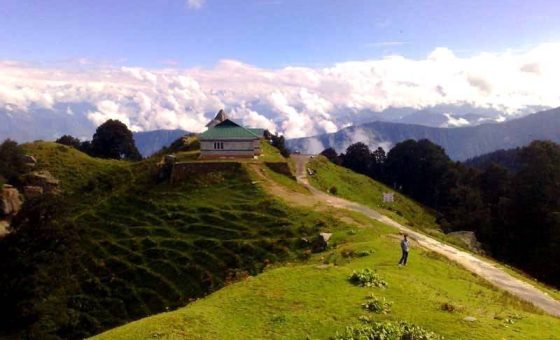
Are you tired of crowded hill stations and looking for a peaceful mountain getaway? Then Jalori Pass might be exactly what you need. Located at a height of 10,800 feet in the beautiful Himalayas, this hidden gem in Himachal Pradesh is still untouched by mass tourism.
Imagine standing at a mountain pass surrounded by thick green forests, with snow-covered peaks all around you. Picture yourself breathing fresh mountain air while colorful rhododendron flowers bloom beside you. This is what Jalori Pass offers to every traveler who visits.
Furthermore, Jalori Pass sits between two famous districts – Kullu and Shimla. It acts as a natural bridge connecting these regions. Moreover, the area around the pass is filled with beautiful villages, crystal-clear lakes, and amazing trekking trails. Whether you love adventure sports or simply want to relax in nature, this place has something special for everyone.
In recent years, Jalori Pass has become popular among travelers who want to explore places away from tourist crowds. In fact, many people call it one of Himachal’s best-kept secrets. The local villages here still follow traditional Himachali culture, and the people are warm and welcoming.
Additionally, what makes Jalori Pass truly special is its variety. You can trek to sacred lakes, explore ancient forts, camp under starry skies, or simply sit quietly and enjoy mountain views. Therefore, whether you’re planning a solo trip, a romantic getaway, or a family vacation, Jalori Pass won’t disappoint you.
Where is Jalori Pass Located?
To begin with, let’s talk about where exactly Jalori Pass is. It’s located about 60 km (approximately 37 miles) from Kullu town. The pass connects the green Kullu Valley with the Shimla district. Specifically, if you look at a map, you’ll find it on the road between two places called Aut and Rampur. Therefore, you can reach it from either side, which gives you flexibility in planning your route.
The pass is situated in a remote area that still maintains its natural beauty. Unlike popular tourist spots like Manali or Shimla, Jalori Pass doesn’t have commercial development. Instead, you’ll find small villages with traditional wooden houses and local people living simple mountain lives. Moreover, the road to the pass itself is an adventure, winding through dense forests and offering stunning valley views at every turn.
Furthermore, the location of Jalori Pass makes it perfect as a stopover or a destination itself. Many travelers include it in their road trips between Kullu and Shimla. Additionally, it serves as a base camp for various treks in the region. The strategic location also means you can easily explore nearby attractions like Jibhi, Tirthan Valley, and the Great Himalayan National Park.
Here are the distances from major cities:
- From Kullu: 60 km (about 2-3 hours drive)
- From Shimla: 125 km (about 4-5 hours drive)
- From Delhi: 520 km (about 12-14 hours drive)
- From Chandigarh: 280 km (about 7-8 hours drive)
- From Manali: 90 km (about 3-4 hours drive)
- From Mandi: 75 km (about 3 hours drive)
The Journey to Jalori Pass
Reaching Jalori Pass is an adventure in itself — the kind where the journey is just as rewarding as the destination. Nestled deep in the Himalayas, this scenic mountain route is connected via National Highway 305 (NH-305), which links the pass to major valleys across Himachal Pradesh. The drive offers breathtaking landscapes, winding mountain roads, and an unforgettable sense of freedom.
Driving Routes & Road Conditions
The most popular route to Jalori Pass begins from Aut, located on NH-305.
From Delhi: Approx. 500 km
From Chandigarh: Approx. 277 km
From Kullu: 73 km
From Manali: 112 km
The road conditions change dramatically as you ascend. The initial stretch offers smooth tarmac roads, but after Khanag, the terrain turns rugged and challenging — a narrow, rocky, and bumpy path that tests both skill and patience. The final 5–6 km climb from Khanag involves an elevation gain of nearly 2,500–3,000 feet. A familiar roadside sign reads:
“Jalori Pass – 6 km – Steep Climb – Drive in First Gear Only.”
It’s a warning worth heeding — but also a promise of adventure for those who love thrilling drives.
Why renting a Bike is Better?
Bike Advantages:
Easier to maneuver through narrow and steep mountain turns
Allows quick stops at viewpoints and hidden trails
Offers a deeper connection with nature and the Himalayan environment
For most adventure enthusiasts, riding a rental bike is the top choice. It provides freedom, flexibility, and that raw mountain-riding thrill that cars can’t match.
Travelers from Delhi, Chandigarh, or nearby regions can conveniently rent their bike from our Aut Branch — perfectly located for those heading toward Shoja, Jibhi, or Jalori Pass.
If you’re flying in or arriving by bus, our Bhuntar Branch offers easy bike rentals near the airport.
With BRB Expeditions, you don’t just rent a bike — you begin your journey on a well-maintained machine, guided by local experts who ensure your ride is safe, smooth, and unforgettable.
Hidden Treasures of the Region
Now that you know how to reach Jalori Pass, let’s talk about what you can do there. The region offers many activities for different types of travelers. Whether you love adventure or prefer peaceful relaxation, there’s something for everyone.
1. Trek to Serolsar Lake
First of all, the trek to Serolsar Lake is the most popular activity at Jalori Pass. This beautiful high-altitude lake is located about 5 km from the pass. The trail is moderate in difficulty and takes about 2 to 3 hours one way. Along the way, you’ll pass through dense rhododendron forests, meadows filled with wildflowers, and patches of oak and deodar trees.
The trail starts right from the Jalori Pass parking area. Initially, the path goes downhill for a short distance, then becomes mostly flat with some gentle ups and downs. The walk is absolutely beautiful. You’ll hear birds singing, see butterflies, and if you’re lucky, you might even spot some wild animals like barking deer.
Moreover, Serolsar Lake itself is a peaceful and sacred place. The lake is considered holy by locals, and there’s a small temple beside it. The water is crystal clear, and the lake is surrounded by tall trees. Many people sit by the lake to meditate or simply enjoy the peaceful atmosphere. Additionally, according to local beliefs, no leaves fall into this lake, which is considered a miracle.
Furthermore, you should carry some snacks and water for the trek. Although the trail isn’t very difficult, it’s good to take breaks and enjoy the scenery. The best time to start the trek is early morning when the forest is fresh and you can see beautiful sunlight filtering through the trees. Also, remember to bring the waste back with you to keep the area clean.
2. Visit Raghupur Fort
In addition to the lake trek, you can trek to Raghupur Fort, an ancient fort that offers amazing panoramic views. The fort is located at an altitude higher than Jalori Pass and provides stunning views of the surrounding peaks including the Dhauladhar and Pir Panjal mountain ranges. Furthermore, on a clear day, you can see peaks as far as 100 kilometers away.
The trek to Raghupur Fort is more challenging than the Serolsar Lake trek. It takes about 3 to 4 hours one way and involves steep climbing. However, the effort is absolutely worth it. The trail takes you through alpine meadows where shepherds graze their sheep during summer. Additionally, you’ll see various wildflowers and medicinal plants along the way.
Moreover, the fort has historical significance. It was built several centuries ago by local rulers to guard the region. Although the fort is now in ruins, you can still see the old stone walls and structures. The fort tells stories of the region’s rich past and the brave people who once protected these mountains. Furthermore, many adventure enthusiasts camp near the fort overnight to catch the sunrise, which is supposed to be absolutely spectacular.
3. Jibhi Village
Jibhi is one of the most popular and picturesque villages near Jalori Pass Known for its traditional wooden houses, peaceful vibe, and trout fishing, Jibhi serves as a perfect base to explore the surrounding region. Many travelers prefer staying here rather than near the pass because of its better facilities, cozy homestays, and beautiful riverside cafes.
The village’s charm lies in its simplicity — narrow lanes lined with wooden Himachali homes, the soothing sound of the river, and friendly locals who make visitors feel at home. You can enjoy a relaxed day by reading at a café, walking to nearby viewpoints, or trying trout fishing with the required permit.
Jibhi also offers a wide range of homestays and guesthouses, where travelers can experience genuine Himachali hospitality, local cuisine, and a slower pace of life that’s perfect for unwinding.
4. Tirthan Valley
Tirthan River flows through the valley, offering trout fishing opportunities and scenic spots for picnics or nature walks. Several trekking routes lead deep into the national park, where you can experience untouched forests and alpine meadows.
Tirthan Valley has a range of stays — from budget-friendly homestays to luxurious riverside cottages. Many properties also organize yoga sessions, cultural evenings, and guided hikes. The valley is ideal for families and solo travelers looking for a peaceful escape amid nature.
5. Shoja Village
Shoja’s charm lies in its untouched beauty — a few wooden homes scattered across the hillside, surrounded by dense forests and open skies. There are no markets or restaurants, so meals are usually served at your homestay, giving a truly local experience.
It’s also a convenient base for short treks to Jalori Pass and nearby viewpoints. Shoja is ideal for digital detox vacations — where you can disconnect from technology and reconnect with nature.
6.Chehni Kothi
Chehni Kothi, an ancient tower temple in Banjar Valley, is one of the most fascinating heritage sites near Jibhi. Over 1,500 years old, this remarkable structure was built entirely without cement — using interlocking stones and wooden beams that have withstood earthquakes for centuries.
Standing nearly 40 meters tall, Chehni Kothi showcases the incredible craftsmanship of early Himalayan builders. According to local legend, fairies built the tower overnight — a tale that adds to its mystical charm.
Reaching the site involves a 30–40 minute uphill trek through terraced fields and small hamlets. The views from the top are breathtaking, offering panoramic vistas of the valley and snow-covered peaks. A small temple beside the tower is still used for worship, so visitors should remove their shoes and maintain respect while exploring.
Essential Travel Tips
Where to Stay Near Jalori Pass
Finding good accommodation is essential for a comfortable trip. Although accommodation options are limited right at the pass itself, nearby villages offer excellent stays that suit different budgets and preferences.
Jibhi Accommodations
Jibhi has the most accommodation options in the region. You’ll find everything from budget homestays to mid-range guesthouses. Additionally, the village has several cafes and restaurants, so you don’t have to depend only on your hotel for meals.
Budget homestays in Jibhi typically cost between ₹800 to ₹1,500 per room per night. These homestays usually offer clean rooms, basic amenities, and home-cooked meals. Moreover, the hosts are friendly and can help you plan your daily activities. Mid-range guesthouses cost between ₹2,000 to ₹4,000 per night and offer better amenities like hot water, attached bathrooms, and WiFi (though internet can be slow).
Furthermore, some properties in Jibhi are specifically designed for travelers. They have common areas where guests can interact, libraries with books, and organized activities. Additionally, many places offer discounts for longer stays. However, during peak season (April to June and September to November), prices increase and rooms get booked quickly. Therefore, advance booking is highly recommended.
Shoja Accommodations
Shoja has fewer accommodation options but they’re equally charming. The village offers eco-friendly camps and traditional homestays that provide an authentic mountain experience. Furthermore, staying in Shoja means you’re closer to Jalori Pass compared to Jibhi.
The homestays in Shoja are simple but comfortable. They offer basic rooms with traditional wooden interiors, warm blankets, and home-cooked Himachali meals. Additionally, the hosts treat you like family members rather than customers. Prices in Shoja range from ₹1,000 to ₹2,500 per room per night including meals.
Moreover, some camps in Shoja offer unique experiences like staying in mud houses or sleeping in tents with modern facilities. These eco-friendly accommodations use solar power, rainwater harvesting, and organic farming. Furthermore, they organize activities like nature walks, bird watching, and traditional cooking classes. However, since options are limited, booking well in advance is necessary.
Banjar Accommodations
Banjar town has more conventional hotels and budget accommodations. This is useful if you prefer staying in a slightly more developed area with easier access to shops, hospitals, and other facilities. Moreover, Banjar has better mobile network coverage compared to remote villages.
Hotels in Banjar range from basic budget hotels at ₹500 to ₹1,000 per night to comfortable mid-range hotels at ₹1,500 to ₹3,000 per night. Additionally, the town has several restaurants and small shops where you can buy supplies. Furthermore, Banjar serves as a good base if you want to explore both Jibhi and Tirthan Valley along with Jalori Pass.
Camping Options
Several operators offer camping experiences near Jalori Pass and around Serolsar Lake. Camping packages typically include tents, sleeping bags, meals, and bonfire facilities. Additionally, some operators provide adventure activities like rock climbing and rappelling.
Camping prices range from ₹1,500 to ₹3,500 per person per night depending on the facilities and location. However, camping requires advance booking, especially during peak season. Moreover, camping is seasonal – it’s only available from April to November. During winter, heavy snowfall makes camping impossible and unsafe.
Planning ahead and knowing what to expect makes your trip smoother and more enjoyable. Here are detailed tips to help you prepare better for your Jalori Pass adventure.
1. Clothing and Temperature
Carry warm clothing even if you’re visiting in summer because temperatures can drop significantly, especially during mornings and evenings. Additionally, layering is key for comfort in mountains. Start with a thermal innerwear, add a fleece or sweater, and top it with a windproof jacket.
During summer (April to June), daytime can be warm with temperatures reaching 20°C. However, evenings and early mornings can be cold at 8°C to 10°C. Therefore, pack both light and warm clothes. In winter (December to March), you’ll need heavy woolens, down jackets, gloves, woolen socks, and warm shoes. Moreover, a monkey cap or woolen cap is essential to protect your ears from cold winds.
Furthermore, carry extra pairs of socks because mountain weather can be unpredictable. If your feet get wet, you’ll need dry socks to stay comfortable. Additionally, wear comfortable shoes with good grip because roads and trails can be slippery, especially after rain or snow.
2. Advance Bookings
Book accommodations well in advance during peak season (April to June and September to November). Otherwise, you might struggle to find suitable options or have to pay much higher rates. This is particularly important if you’re traveling during long weekends or holidays when many people visit.
Moreover, popular homestays and camps get fully booked sometimes weeks in advance. Therefore, start researching and booking at least 15 to 20 days before your planned trip. Additionally, read recent reviews on Google or booking websites to ensure the property maintains good standards.
Furthermore, if you’re planning to hire a vehicle or taxi, book that in advance too. Local taxis can be limited, and last-minute bookings might not be available. However, if you book early, you can also negotiate better rates and ensure you get an experienced driver.
3. Cash Requirements
Carry sufficient cash as ATMs are scarce in the area. The nearest ATMs are in Aut and Banjar towns. Furthermore, card payment facilities are limited even at hotels and restaurants. Most small homestays, local shops, and taxi drivers only accept cash.
Additionally, keep small denomination notes (₹10, ₹20, ₹50, ₹100) for small purchases and tips. Moreover, it’s wise to carry at least ₹5,000 to ₹10,000 in cash depending on the length of your stay and spending habits. However, don’t carry too much cash – keep it secure in different pockets or bags for safety.
4. Road Conditions
Check road conditions before traveling, especially during winter and monsoon. Local travel groups on social media or your hotel can provide current updates. Consequently, you can plan your journey better and avoid days with bad weather.
Moreover, the road to Jalori Pass can be blocked due to landslides during heavy rains or due to heavy snow in winter. Therefore, having flexible travel dates helps. Additionally, start your journey early in the morning so you reach before dark. Mountain roads are significantly more dangerous at night because visibility is poor and edges aren’t always protected by railings.
Furthermore, if you’re not confident about driving in mountains, hire an experienced local driver. They know the road well, understand where to be careful, and can handle the vehicle better on difficult sections. However, even with an experienced driver, don’t rush. Take your time and enjoy the journey safely.
5. Food and Water
Pack light snacks and drinking water as food options are limited at the pass itself. However, villages like Jibhi have several small shops where you can buy biscuits, chips, noodles, and other packaged food. Moreover, most homestays serve delicious home-cooked meals, so you won’t go hungry.
Additionally, carry energy bars, dry fruits, chocolates, and other light snacks for treks. These provide quick energy and don’t take much space. Furthermore, carry at least 2 liters of water per person for day trips. Although streams have flowing water in the mountains, it’s not always safe to drink without purification.
6. Respect Local Culture
Respect local culture and environment throughout your trip. In particular, avoid littering and loud music which disturb both wildlife and local residents. The mountains are sacred to local people, and they maintain these areas with great care.
Moreover, always ask permission before photographing people or entering temples and homes. Himachali people are generally friendly and welcoming, but respecting their privacy and customs is important. Additionally, dress modestly, especially when visiting religious places. Furthermore, if you’re invited to someone’s home, removing shoes before entering is customary.
7. Hiring Drivers
Hire experienced drivers familiar with mountain roads for a safe journey. Therefore, your journey will be safer and more comfortable. Local drivers know exactly where to slow down, where overtaking is safe, and which sections need extra caution.
Moreover, negotiate the fare clearly before starting your journey. Discuss whether the fare includes waiting time, multiple stops, and driver’s meals. Additionally, ensure the vehicle is in good condition with working brakes, proper tires, and necessary documents. Furthermore, experienced drivers can also act as informal guides, sharing information about places you pass and suggesting good stops.
8. Altitude Sickness
Keep medicines for altitude sickness handy even though 10,800 feet isn’t extremely high. Additionally, carry basic first aid supplies including bandages, antiseptic, pain relievers, and any personal medications you need.
Some people might experience mild symptoms like headache, nausea, or breathlessness at this altitude. Therefore, ascend slowly and give your body time to adjust. Moreover, drink plenty of water and avoid alcohol for the first day. Furthermore, if symptoms persist or worsen, descend immediately to a lower altitude and consult a doctor.
9. Mobile Connectivity
Mobile connectivity is limited in this region, so inform family members about your plans before traveling. Nevertheless, BSNL provides the best coverage in most areas, though signal strength varies. Jio and Airtel might work in some places but aren’t reliable throughout.
Additionally, download offline maps before starting your journey. Google Maps works reasonably well for navigation, but download the area when you have internet connection. Moreover, carry a power bank because using GPS drains phone battery quickly. Furthermore, many homestays have WiFi, though speeds are usually slow and suitable only for messaging and light browsing.
10. Identification
Carry proper identification documents as this is a border region and you might need to show them at various checkpoints. Moreover, hotels require ID proof for check-in according to government regulations.
Additionally, carry both original documents and photocopies. Keep them in waterproof covers to protect from moisture. Furthermore, if you’re a foreign tourist, carry your passport and valid visa. However, Indian citizens can use any government-issued photo ID like Aadhaar card, driving license, or voter ID card.
Best Time to Visit Jalori Pass
Peak Season (April – June, September – November)
Best time to visit Jalori Pass.
Pleasant weather and clear skies.
Spring brings blooming rhododendrons.
Autumn offers fresh air and great mountain views.
Perfect for trekking, photography, and sightseeing.
❄️ Winter (December – March)
The area is covered with snow.
Beautiful winter scenery and peaceful surroundings.
Roads may close due to heavy snowfall.
Suitable for snow lovers and cozy winter stays.
Check road conditions before planning your trip.
🌧️ Monsoon (July – August)
Slightly risky season to visit.
Heavy rainfall and possible landslides.
Roads become slippery and unsafe.
Views often blocked by fog and clouds.
Travel only if you’re prepared for rain and delays.
How to Reach Jalori Pass
| Mode of Travel | Nearest Point / Route | Distance from Jalori Pass | Estimated Travel Time | Key Information & Tips |
|---|---|---|---|---|
| 🚗 By Road | From Aut via Banjar → Jibhi → Shoja | ~35 km from Aut | 2–2.5 hours | – Most popular route (NH-305)- Narrow mountain roads with scenic views- Check brakes, tires & fuel before trip- Start early; avoid driving after dark |
| 🚙 Alternate Road Route | From Shimla → Narkanda → Rampur → Ani → Khanag → Jalori | ~180 km | 6–7 hours | – Longer but scenic route through apple orchards- Best during apple season (Sep–Nov)- Suitable for experienced drivers |
| ✈️ By Air | Bhuntar Airport (Kullu-Manali Airport) | ~65 km | 2.5–3 hours | – Nearest airport with limited flights- Flights mostly from Delhi; weather-dependent- Taxi fare ₹2,500–₹3,500 (one way)- Book early during peak season |
| 🚆 By Train (Major Station) | Chandigarh Railway Station | ~280 km | 7–8 hours (by road) | – Well-connected to Delhi, Mumbai, Kolkata, etc.- Taxis and buses available from station- Option to stay overnight at Kullu or Mandi |
| 🚆 By Train (Toy Train Option) | Shimla Railway Station | ~125 km | 4–5 hours (by road) | – Enjoy Kalka–Shimla Toy Train (UNESCO route)- Great for slow travel lovers- Plan an extra day for full experience |
| 🚌 By Bus | From Chandigarh / Shimla → Mandi / Aut / Rampur | Varies | 8–10 hours | – Budget-friendly but longer journey- Requires changing buses- Best for backpackers and flexible itineraries |